From Screenplay to Wireframe: Storytelling as Design

As a design student, I often notice how films and UX design mirror each other. Both guide people through a journey, and both succeed when that journey feels not only memorable but also smooth. A film with rough cuts or confusing pacing can lose its audience; a product with clunky steps does the same to its users.
Script vs Design System
A screenplay sets the foundation: who the characters are, how they behave, and where the story is headed. Without it, the movie risks being inconsistent.
In UX, a design system works the same way. It defines the rules — from typography and colors to buttons and interactions. This consistency means users don’t have to “relearn” the interface on every screen. Just like a strong script keeps a film coherent, a design system keeps products intuitive.

Storyboards vs. User Flows
Before shooting, directors rely on storyboards to visualize scenes and transitions. It’s a way to spot problems before they appear on set.
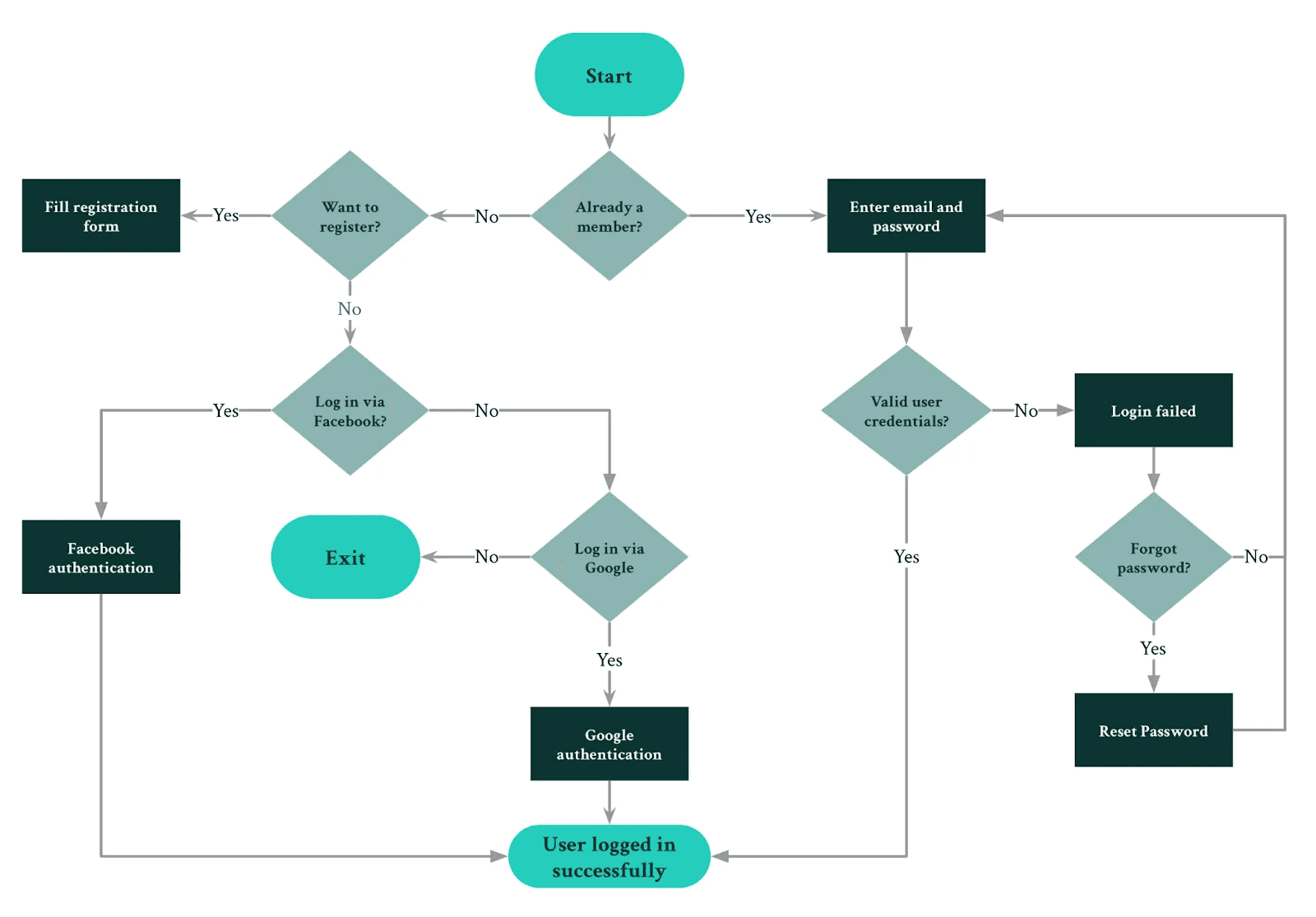
Designers use user flows to do the same. They map how users move through an app, from first tap to goal completion. A smooth flow is like a well-sequenced film — no awkward jumps, no sudden confusion, just a clear path forward.
Emotional Arcs vs. User Journeys
Good films guide us emotionally. They know when to build tension, when to add humor, and when to let us breathe. Think about how Pixar makes audiences cry and laugh within minutes, yet it all feels effortless.
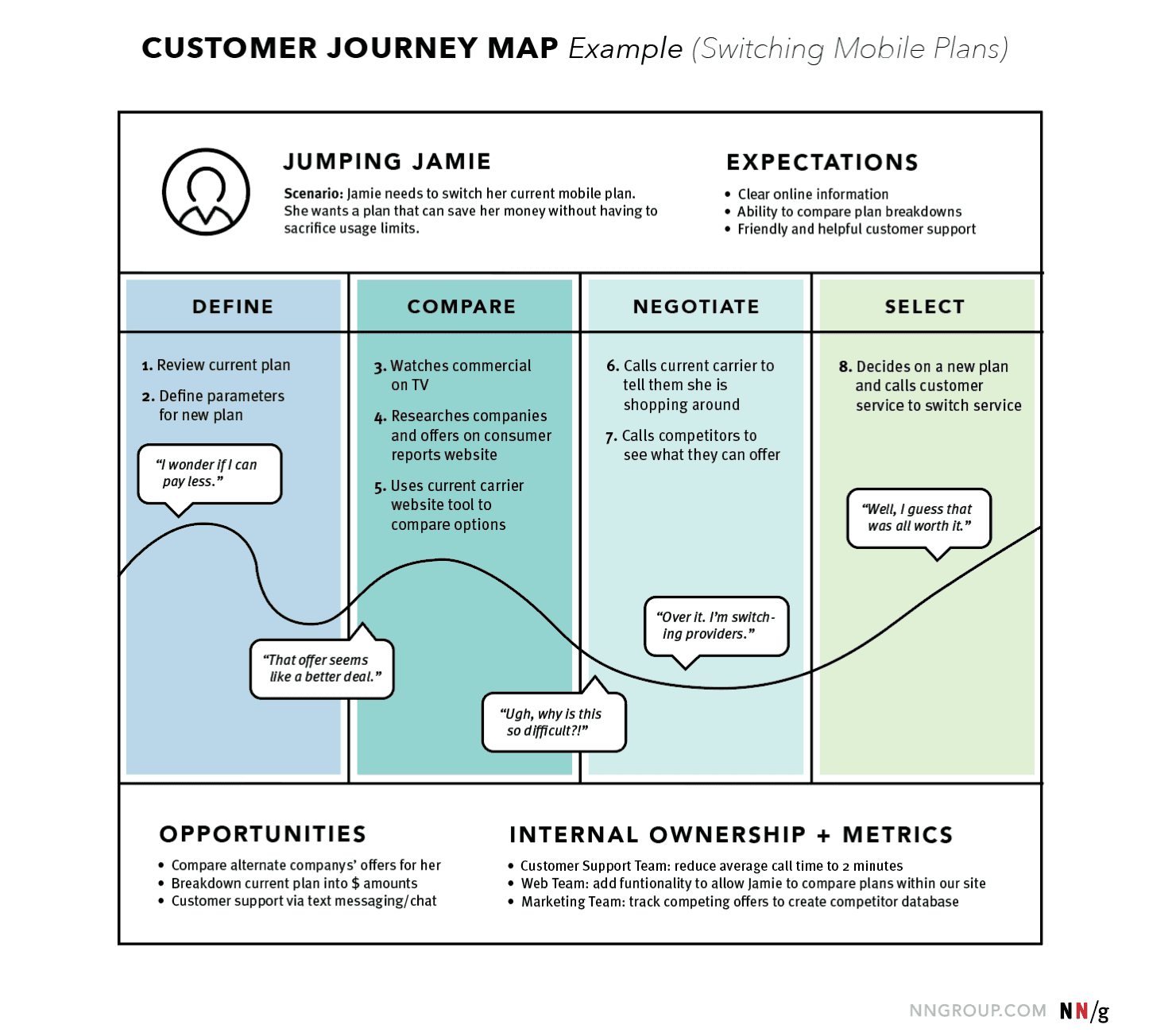
In UX, user journeys also balance emotions. A well-placed progress bar reduces anxiety. A playful microinteraction adds delight. Smooth design isn’t just about function — it’s about how users feel as they move along.
Storytellers in Different Mediums
Directors tell stories through shots and pacing. Designers tell stories through screens and interactions. Both roles are about shaping a journey so smooth that people forget the effort behind it.
At the end of the day, whether it’s a two-hour film or a two-minute app task, what matters is how clearly and seamlessly the story is told.
.see also
